Why Picking the Right Market for the Match Matters More Than the Pick
A deep dive into key betting markets — 1X2, over/under, BTTS, European & Asian handicaps—using one realistic fixture to show how to pick your battles and settle bets.
Generated from Tipzy’s settled record data and published without a named author. Figures come from the same graded corpus as the records; how they are produced is set out in the methodology.
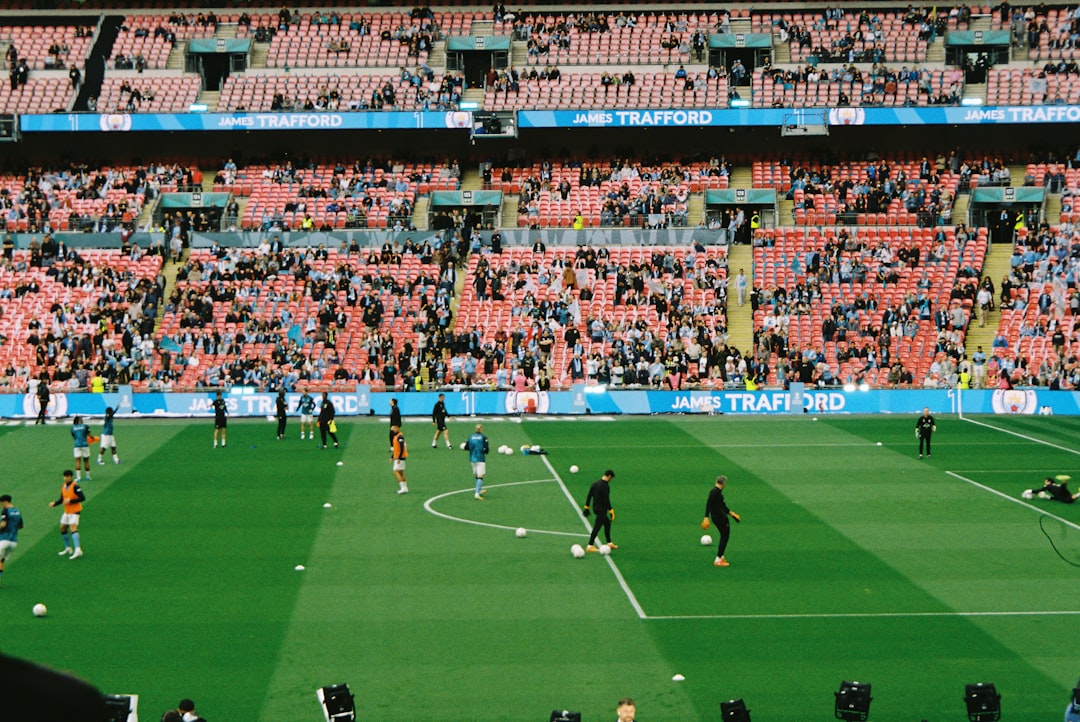
Photo by Tanya Barrow on Unsplash
Imagine a Premier League fixture where Everton visits Manchester City. City are the clear favorites at home, struggling Everton the visitors. Odds: City 1.30, Draw 5.00, Everton 9.00. Many bettors naively back City 1.30 thinking a straight-up win is the easiest bet. Spoiler: That small margin means a lot of money on City at low returns and few surprises if City wins. But does this bet suit your view? We'll walk through the main markets — 1X2, over/under, BTTS, European and Asian handicaps — all on this same match with realistic odds and explain what fits when.
1X2 is your blunt instrument: simple but often low-yield
The 1X2 market means picking the home win, draw, or away win outright. Taking Manchester City at 1.30 means implied probability is roughly 77% (1/1.30).
If you bet $100 on City and they win, your profit is $30. But this market doesn’t reward partial correctness, like City winning narrowly or if Everton scores. It’s all or nothing.
For a lopsided match like this, 1X2 often looks boring because the favorite’s price is compressed. The value often lies elsewhere, unless you have strong reason to think the favorite might slip up (City losing or drawing).
Over/Under 2.5 goals suits when you expect the game’s shape, not just the winner
Let’s say the odds on over 2.5 goals are 1.70, under 2.5 goals 2.10. This market bets on combined goals scored being over or under 2.5. Why would you pick this? Sometimes the favorite dominates but doesn’t score a dozen; the underdog might nick a late goal making it over 2.5.
For example, if City normally scores over 3 goals and Everton concedes heavily, over 2.5 looks reasonable. If you bet $100 and the final score is 3-1 (4 goals), you win $70 profit.
If it ends 1-1, under 2.5 wins.
This market is your tool when you have a hunch on how open or defensive the match will be, not just who wins.
Both Teams To Score (BTTS) can isolate scoring trends
BTTS means betting on both teams scoring at least once. Odds might be City 1.95, BTTS yes 1.80, BTTS no 1.90.
If you expect City to score but Everton to also find the net despite poor form, BTTS yes is appealing. If Everton hasn’t scored in their last 5 matches, BTTS no might look better.
A $100 bet at 1.80 returns $80 profit if both score.
European Handicap: Adding a margin shifts value perception
European handicap adds or subtracts goals to the underdog’s or favorite’s final score to handicap outcome. Pretend Everton gets +1 goal before the first whistle.
So, if the real score is City 3 - Everton 1, the adjusted score for bets is City 3 - Everton 2 (because Everton got +1 goal). If you bet on Everton +1 at odds 1.85, you win if the adjusted score favors Everton or it’s a draw.
European handicap suits moderately lop-sided matches where an equalizing margin evens the perceived probability. Here’s a quick table:
| Bet Type | Odds | Final Score | Adjusted Score (Ev +1) | Result for Bet |
|---|---|---|---|---|
| Everton +1 (win or draw) | 1.85 | 3-1 | 3-2 | Win |
| Everton +1 (win or draw) | 1.85 | 2-1 | 2-2 | Win |
| Everton +1 (win or draw) | 1.85 | 3-0 | 3-1 | Lose |
Asian Handicap halves your risk and has pushes on whole numbers
Asian handicap works similarly but extends to half and quarter-goals and includes pushes.
If you bet Everton +1 Asian Handicap at 1.90 with a $100 stake, two things can happen:
- If Everton loses by exactly 1 goal (e.g., 1-2), your bet is a push and your stake is refunded.
- If Everton draws or wins, bet wins in full.
- If Everton loses by 2 or more, bet loses.
Here’s a concrete numeric example:
- Bet: $100 on Everton +1 AH @ 1.90
- Result 2-1 City win (Ev loses by 1)
- Bet is refunded, $100 back, no profit, no loss.
If score was 3-1 City win (Ev loses by 2):
- Bet loses $100
If score was 1-1 draw:
- Bet wins $90 profit ($100 × (1.90 - 1))
This reduce risk compared to European handicap’s "adjust and settle" approach.
Matching your bet type to your view avoids common rookie mistakes
Many casual bettors simply pick the favorite in 1X2, ignoring margins and game flow. This is why a 55% win rate on favorites can still lose you money when odds are too short (say under 1.30).
If you expect a tight game with a few goals but no blowout, totals or handicaps usually serve better. In our example, if you see Everton improving defensively, under 2.5 or BTTS no might be effective.
Meanwhile, Asian handicap lets you lean on marginal favorites or underdogs with less risk. It’s the favorite of sharps in unbalanced matches.
Step-By-Step Worked Example: Betting Asian Handicap on Everton +1 at 1.90
- Stake: $100
- Odds: 1.90
- Possible results and payouts:
| Match Score | Outcome | Payout | Profit/Loss |
|---|---|---|---|
| 1-1 (draw) | Bet wins | $190 | +$90 |
| 2-1 City wins | Push (stake returned) | $100 | $0 |
| 3-1 City wins | Bet loses | $0 | -$100 |
- Calculation:
- If push: stake refunded, so no profit or loss.
- If win: profit = ($100 × odds) - stake = 190 - 100 = $90
- If loss: lose $100 stake.
This choice lets you safely back the underdog with a buffer.
What Should You Actually Do Next?
Look at the match you want to bet and ask: what’s my real edge? If you’ve read 100 betting articles, you know this is the million-dollar question. Stop picking favorites blindly in 1X2.
Instead, find your angle — defensive improvement, scoring trends, or goal volume expectations — then choose the market that fits. If you see a lopsided game and want some protection, try Asian handicap. If you expect a tighter scoreline, totals may offer better value.
Before making a bet, run the numbers on potential payouts, risks, and pushes. Use the step-by-step method above or replicate the table for your own wager.
Finally, check the sportsbook’s rules for voids and pushes, especially on Asian handicap lines, because they differ and affect your risk.
Don’t chase every market. Pick one. Master it. Then, maybe add the next.
Sources: