Live Betting Is a Different Beast: Why In-Play Markets Hurt You More Than Pre-Match
Explains exactly why live (in-play) betting is structurally tougher than pre-match wagering using real odds examples, bookmaker edge mechanics, and a tactical approach to avoid costly mistakes.
Generated from Tipzy’s settled record data and published without a named author. Figures come from the same graded corpus as the records; how they are produced is set out in the methodology.
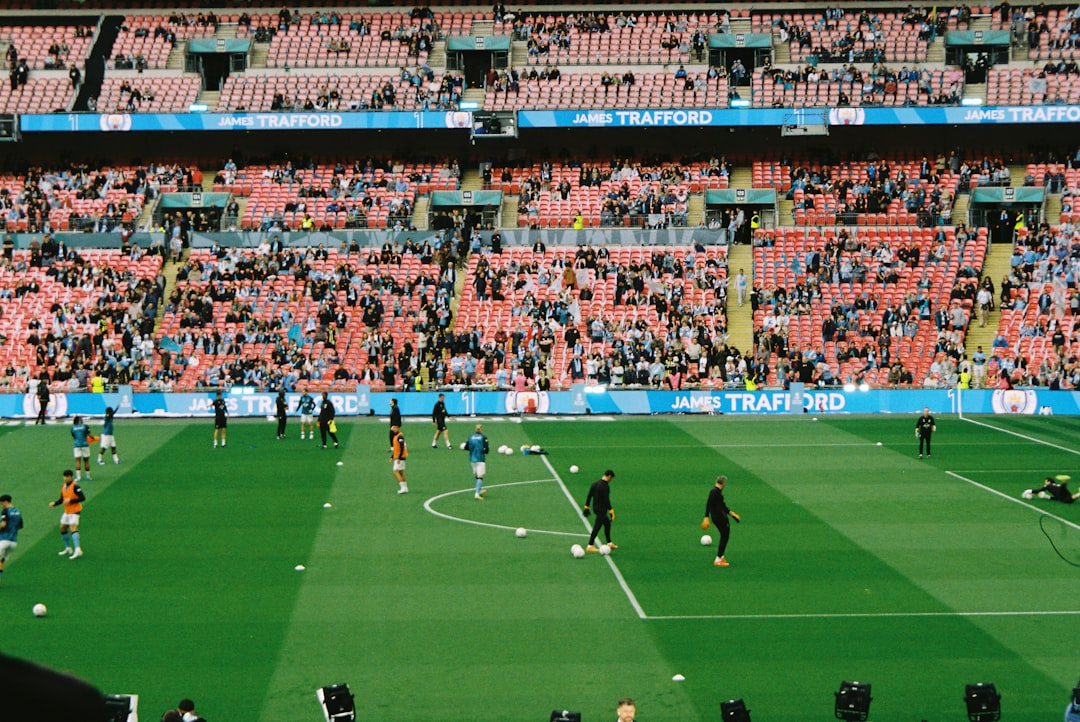
Photo by Tanya Barrow on Unsplash
When Your Pre-Match Bet Gets Smashed by an Early Goal – And You Double Down
Say you backed a favorite soccer team at 1.80 (decimal odds) before kickoff with a $100 stake. They concede first in the 10th minute — now their odds to win might jump to 3.50 live. Impulse tells many to double down live, placing another $100 at 3.50 hoping to recover and profit. But here’s the catch: the bookmaker margin widens so much in-play that this chase usually burns cash instead of salvaging it.
That early goal shifted momentum, but bookmakers adjust odds not just for the play but also to protect their margin and manage risk. The favorite conceding first causes odds to lengthen fast. But a key difference is this: in-play markets carry larger margins than pre-match ones, so the true value of that 3.50 isn’t as good as it looks.
Bookmakers Raise Their Prices While You’re Still Reacting
Before kickoff, the bookmaker margin on totals, moneylines, or handicaps typically hovers around 5%. Once the action starts, that margin inflates 7% to 10% or even more — especially on odds that swing wildly after events like goals or injuries.
Why?
- Live odds must recalculate constantly to balance the book as bets flood in from reacting punters.
- Bookies add buffer margin to protect themselves against sudden shifts and faster money moving.
Here’s a rough comparison for a match between Team A (favorite) and Team B (underdog):
| Market | Pre-Match Odds (Implied Probability %) | Live Odds After Goal (Implied Probability %) |
|---|---|---|
| Team A to win | 1.80 (55.6%) | 3.50 (28.6%) |
| Team B to win | 4.50 (22.2%) | 2.10 (47.6%) |
Implied probabilities add to more than 100% because of the bookmaker’s margin; it can be 105-110% pre-match but 110-115% in-play — that extra 5-10% is what punters lose as they chase live bets.
Structural Advantages: Bookies See the Game Earlier Than You Do
Bookmakers get faster, more reliable data feeds than most retail bettors. That means they update odds before or just as you see an event. On top of that, live betting platforms often have a 3 to 8 second delay in accepting bets after big events — during that pause, odds can shift dramatically but they freeze the market temporarily, stopping you from locking in juicy prices.
So even if you spot momentum turning on TV or a stream, the bookmaker probably already priced it in and you’re behind the curve. That delay handicaps reactive bettors trying to profit from "breaking news" like a goal or sending off.
Scenario: Chasing Losses Live Destroys Your Bankroll
Back to your doubled bet:
- Bet 1: $100 on Team A @1.80 pre-match
- Early goal conceded, you lose this bet visibly
- Bet 2: $100 live on Team A @3.50 trying to cover loss
Let’s say the favorite eventually wins — great moment, but your cash flow looks like this:
| Bet | Stake | Odds | Outcome | Profit/Loss |
|---|---|---|---|---|
| Pre-match | $100 | 1.80 | Lose | -$100 |
| Live double | $100 | 3.50 | Win | $250 |
| Net | +$150 |
But what if the favorite loses? Total loss is $200. Now imagine you chase losses twice or thrice, odds narrowing each time — the math collapses fast. Repetitive chasing and emotional bets pump bookmaker profits, not yours.
Discipline: Pick Your In-Play Spots Before Kickoff, Then Stick to Them
You can still find in-play edges, but it requires pre-planning:
- Decide on one or two realistic in-play scenarios you’d bet.
- For example, "If the favorite concedes first, I’ll bet on draw at 3.00 or better."
- Write down specific price triggers and maximum stakes.
- Do nothing if your scenario doesn’t occur — no spur-of-the-moment bets on every odd twist.
This approach stops you from impulse-chasing and helps you exploit specific moments where live odds temporarily misprice real match chances.
Realistic Odds Movement in a Soccer Match Example
Team A is a 1.80 favorite pre-match. First 10 min: Team B scores an early goal.
Odds update roughly as:
| Time (min) | Team A Win | Draw | Team B Win |
|---|---|---|---|
| 0 (pre) | 1.80 | 3.50 | 4.50 |
| 10 | 3.50 | 3.00 | 2.10 |
| 20 | 3.20 | 3.20 | 2.30 |
| 60 | 2.00 | 3.50 | 3.50 |
Notice the favorite’s live odds spike sharply then temper back as the game unfolds and momentum shifts again. Bookmakers widen margins on those early spikes, making reactive bets costly.
What You Should Actually Do Next
Don’t dive headfirst into live markets just because the odds swing violently after a game event. Instead:
- Study and write down your in-play betting plan before the match.
- Monitor odds for your planned scenario only.
- Accept many live moments won’t produce attractive bets — this is normal and fine.
- Avoid doubling down or "chasing" to recover losing pre-match bets.
- Track your live bets carefully to spot where margin expansions hit hardest.
Live betting isn’t a quick rescue for lost pre-match wagers — treating it that way leads to predictable losses.
Sources: